
Տան և Պատմության Բույրը
Հայկական տներում, Երևանից մինչև Լոս Անջելես, թխված սուրճի հարուստ, հիլ անուշաբույր արմատը միայն խմելու հրավեր չէ. այն հավաքվելու, կապվելու և ապագային նայելու կոչ է։ Հայկական սուրճը, հայտնի որպես սուրճ, մշակութային ինքնության հիմնաքար է, դարերի ավանդույթով հագեցած ծես։ Դա դիտավորյալ, դանդաղ գործընթաց է, որ կտրուկ հակադրվում է ժամանակակից Արևմուտքի «վերցրու եւ գնա» սուրճի մշակույթին։ Պատրաստումն ինքնին արարողություն է, բայց իսկական կախարդանքը սկսվում է այն բանից հետո, երբ վերջին կումը խմվում է։ Քանի որ փոքրիկ, անբռնակ բաժակի հատակին մնացած մուգ նստվածքում թաքնված է խորհրդանիշների, պատմությունների և հնարավոր բախտի մի աշխարհ, որը սպասում է մեկնաբանության։ Այս պրակտիկան, հայտնի որպես տասեոգրաֆիա (բաժակագուշակություն), պարզ սոցիալական գործողությունը վերածում է սոցիալական կապի և հոգևոր հետաքրքրության խորը ծեսի, միահյուսելով համայնքային կապի, ժառանգության և առեղծվածի թելերը։
Պատրաստման ծեսը՝ հատիկից մինչև ըմպելիք
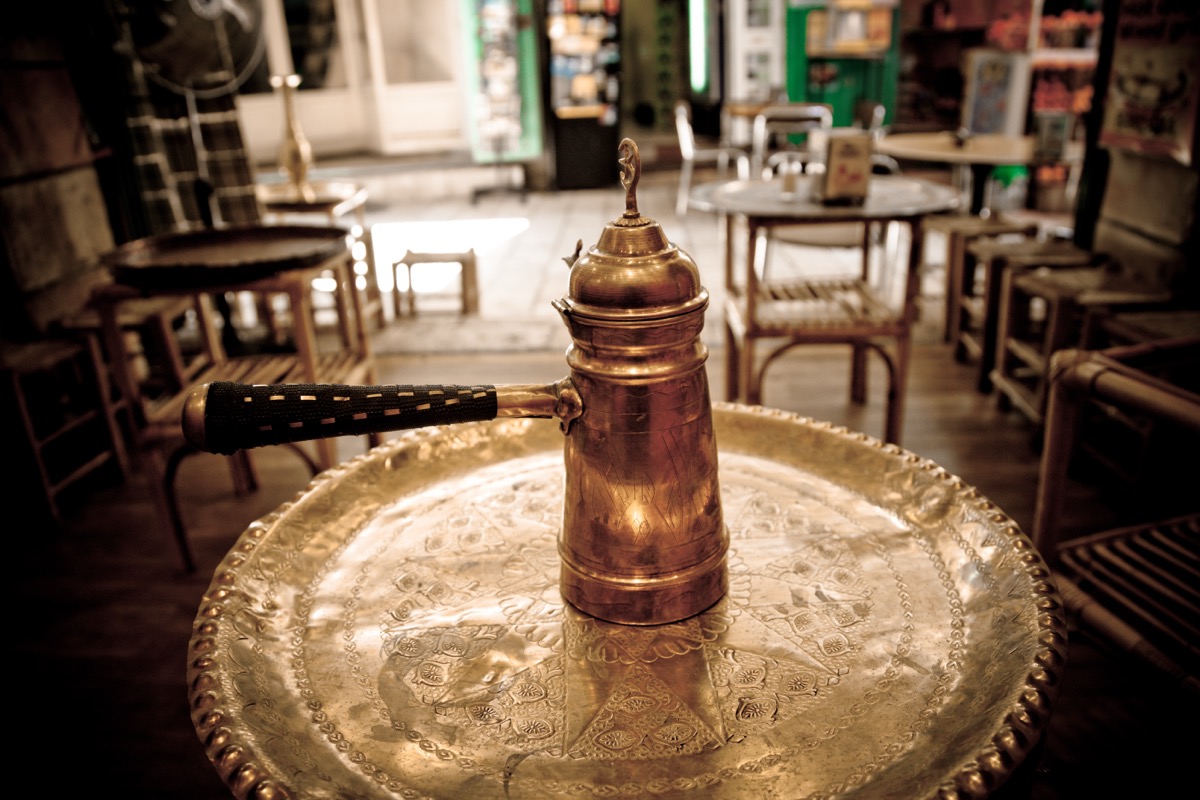
Հայկական սուրճի ճանապարհորդությունը սկսվում է շատ առաջ, քան այն հասնում է ձձվային (ավանդական երկար բռնակով պոտիկ)։ Ինչպես կիսվում են ընտանեկան ավանդույթներում, շատերը, ինչպես նշեց մի տատիկ, սկսում էին հում կանաչ հատիկներից, զգուշորեն տապակելով դրանք մինչև մուգ շագանակագույնը՝ երբեք սև չընկնելով, դառնությունից խուսափելու համար, և ապա աղում մանր փոշու։ Այս հիմքին ավելացվում է հիլի անփոխարինելի համեմունքը, երբեմն նաև բահարաթի կամ պղպեղի մի փոքրիկ անուշաբույր պտղունց, ստեղծելով անխառն հայկական բույր։
Խմում պատրաստելը համբերության արվեստ է։ Սառը ջուրը, մանր աղացած սուրճը և շաքարը (ցանկության դեպքում) միախառնվում են ձձվայի մեջ և դանդաղ բերում եռման՝ հաճախ մի քանի անգամ, բնորոշ քայմաղ (փրփուր) ձևավորելու համար։ Այս փրփուրը համարվում է լավ պատրաստված սուրճի նշան և զգուշորեն բաշխվում է յուրաքանչյուր բաժակի մեջ։ Սուրճը մատուցվում է ուժեղ, սև և անզտված, թույլ տալով, որ փոշին նստի հատակին՝ դառնալով առաջիկա ծեսի «կտավը»։
Բաժակի շրջադարձը՝ հրավիրելով բախտը
Երբ սուրճը դանդաղ վայելվում է, սկսվում է գուշակության ծեսը՝ կուպատեսիլը։ Խմողը գաղտնի ցանկություն է անում կամ կենտրոնանում է մի հարցի վրա։ Ապա, հատուկ ծեսի համաձայն, նա բաժակի վրա դնում է բաժակի ափսեն, երեք անգամ պտտեցնում է մնացած հեղուկն ու նստվածքը և վստահ շարժումով շրջում ամբողջ կառուցվածքը գլխիվայր ափսեի վրա։ Բաժակը թողնվում է սառչելու և չորանալու, սպասման մի ժամանակահատված, որը հաճախ լիցքավորում է զրույցը։
Այս գործողությունը միայն գործնական չէ. այն խորհրդանշական է։ Բաժակի շրջադարձը ներկայացնում է ներքին շրջադարձ, մարդու մտահոգությունների արձակումը տիեզերք և ուղեցույցություն ստանալու բացվածություն։ Համարվում է, որ բաժակի պատերով սահող և նստող խիտ, օշարակային նստվածքի ձևավորված նախշերի վրա ազդում է խմողի էներգիան և ճակատագիրը։
Նստվածքը կարդալը՝ խորհրդանիշների լեզու
Մոտ տաս րոպե անց բաժակը զգուշորեն բարձրացվում է։ Կարդացողը՝ հաճախ տարեցը, մայրը կամ ինտուիտիվ ունակություններով հայտնի ընկերը, մեկնաբանում է չորացած նստվածքի բաց և մուխ բծերից ձևավորված լանդշաֆտներն ու պատկերները։ Սա տասեոգրաֆիան է՝ սերնդեսերունդ փոխանցվող տեսողական լեզու։
- Խորհրդանշական ձևեր. Ընդհանուր մեկնաբանություններից են կենդանիները (թռչուն՝ լուրերի համար, շուն՝ հավատարմության կամ ընկերոջ), առարկաները (մատանի՝ ամուսնության կամ պարտավորության, բանալի՝ հնարավորության) և բնական ձևերը (ծառեր՝ աճի, լեռներ՝ խոչընդոտների կամ նպատակների)։
- Տեղադրությունը կարևոր է. Բաժակի եզրին մոտ գտնվող խորհրդանիշները վերաբերում են անմիջական ապագային, իսկ հատակին գտնվողները ցույց են տալիս ավելի հեռավոր իրադարձություններ կամ խորը զգացմունքներ։ Բաժակի բռնակը հաճախ ներկայացնում է տունը կամ ինքնությունը։
- Գծեր և նախշեր. Մաքուր գծերը կարող են ցույց տալ ճանապարհորդություններ. շրջանակները հուշում են ավարտ կամ ցիկլեր. բեկված նախշերը կարող են ակնարկել անորոշություն։
Կարդացումը հազվադեպ է լինում բացարձակ կործանում կամ երաշխավորված փառք։ Այն զրույցի սկիզբ է, պատմողական շրջանակ, որի միջոցով քննարկվում են հույսերը, վախերը և կյանքի բարդությունները։ Մեկնաբանը հաճախ միահյուսում է ավանդական խորհրդանշականությունը անձնական ինտուիցիայի և անձի մասին գիտելիքների հետ՝ առաջարկելով խորհուրդ, մխիթարություն կամ նուրբ նախազգուշացումներ։
Ծեսի սիրտը՝ սոցիալական կապ և մշակութային շարունակականություն
Մինչ ապագայի գուշակությունը ամենահայտնի ասպեկտն է, հայկական սուրճի ծեսի իսկական ուժը նրա խորը դերն է սոցիալական կապի մեջ։ Սա միայնակ գուշակության պրակտիկա չէ, այլ համայնքային։ Այն կատարվում է ընտանիքի և մտերիմ ընկերների շրջանակներում, հաճախ ճաշից հետո կամ դանդաղ այցելության ժամանակ։
Ծեսը դանդաղեցնում է ժամանակը։ Այն ստեղծում է նվիրված տարածք մտերմության, պատմություններ պատմելու և իմաստության փոխանակման համար՝ ավագ սերնդից դեպի կրտսերը։ Երբ կարդում են բաժակները, զրույցը հոսում է՝ տատիկի հին տանը նմանվող խորհրդանիշի, ալիքավոր գծով կանխատեսվող ճանապարհորդության կամ լեռան ձևով ներկայացվող մարտահրավերների մասին։ Այն խթանում է կապը, կարեկցանքը և մշակութային ընդհանուր փորձը, որն ամրապնդում է ինքնությունը։ Սփյուռքում այս ծեսը դառնում է ժառանգության կենսական օղակ, շոշափելի պրակտիկա, որն իր կենդանությունը պահպանում է հայրենիքը առօրյա կյանքում։
Ժամանակակից արդիականություն՝ ժամանակից դուրս ավանդույթ թվային դարաշրջանում
Այսօր՝ արագընթաց, թվային աշխարհում, հայկական սուրճի ծեսը նոր նշանակություն է ձեռք բերել որպես գիտակցված դիմադրության ակտ։ Դա դիտավորյալ դադար է, անալոգային արարողություն թվային դարաշրջանում։ Այն պահանջում է ներկայություն՝ դուք չեք կարող սցրոլ անել հեռախոսով, մինչ զգուշորեն պտտեցնում և շրջում եք տաք նստվածքով բաժակը։
Ավանդույթը ծաղկում է ինչպես ժամանակակից Հայաստանում, այնպես էլ սփյուռքային համայնքներում։ Այն հիմնական տարր է ընտանեկան հավաքույթներում, սերունդների միջև կամուրջ և նույնիսկ հայտնի առանձնահատկություն մշակութային փառատոներում և սրճարաններում։ Մինչ ոմանք կարող են գուշակությունը դիտել որպես խաղալիք կասկածամտությամբ, քչերն են վիճարկում դրա հեշտացրած կապի արժեքը։ Այն նաև իր տեղն է գտել սոցիալական ցանցերում, երբ սիրահարները առցանց կիսվում են իրենց բաժակի կարդացումների լուսանկարներով՝ ստեղծելով նոր, վիրտուալ համայնքներ այս հնագույն պրակտիկայի շուրջ։ Ծեսը հարմարվում է՝ ապացուցելով իր կենսունակությունը և մշտական արդիականությունը որպես մարդկային կապի գործիք։
Եզրակացություն՝ ավելին, քան նստվածք. հիմնավորված ուժ
Հայկական սուրճի ծեսը պատմության, արվեստի, հոգևորության և խորը սոցիալական մտերմության թելերով հյուսված գեղեցիկ գորգ է։ Այն ամենօրյա ըմպելիքը վերածում է մշակութային հիշողության և միջանձնային կապի անոթի։ Իր էությամբ գուշակությունը ավելի քիչ է ֆիքսված ապագա կանխատեսելու, և ավելի շատ՝ ներկայի մասին խորհելու, հնարավորություններ ուսումնասիրելու և ծեսին մասնակցողների միջև կապերն ամրապնդելու մասին։ Սուրճի նստվածքի նախշերում հայերը տեսնում են ոչ միայն պատահական ձևեր, այլև պատմություններ՝ իրենց անցյալի, իրենց ներկայի զրույցների և ապագայի հույսերի մասին։ Մասնակցել սուրճին նշանակում է մասնակցել կենդանի ժառանգությանը, դանդաղ կումեր առնել և հիշել, որ կյանքի ամենակարևոր պատկերացումներից ոմանք գտնվում են ոչ թե շտապողականության, այլ բաժակի հատակին գտնվող հանգիստ, ընդհանուր տարածքում։
Պիտակներ