
Голос гор: Знакомство с дудуком
В высокогорье Армении, где древние камни шепчут истории, а ветер несёт отголоски тысячелетий, существует звук настолько глубоко человеческий, что он, кажется, говорит напрямую с душой. Это голос дудука, деревянного духового инструмента с двойной тростью, вырезанного из сердцевины абрикосового дерева. Больше чем инструмент, дудук — это звуковой сосуд армянской идентичности, её радостей, её печалей, её стойкости. Его тёплый, мягкий и слегка носовой тембр называют наиболее близким к человеческому голосу в мире инструментов, способным выразить огромный спектр эмоций — от плача до празднества. В 2005 году ЮНЕСКО признала эту уникальную силу, провозгласив армянский дудук и его музыку Шедевром устного и нематериального культурного наследия человечества, официально включив в реестр в 2008 году. Этот акт был не просто сохранением древнего артефакта; это было всемирное признание живого, дышащего искусства, которое продолжает давать голос неукротимому духу нации.
Созданный природой: Анатомия иконы
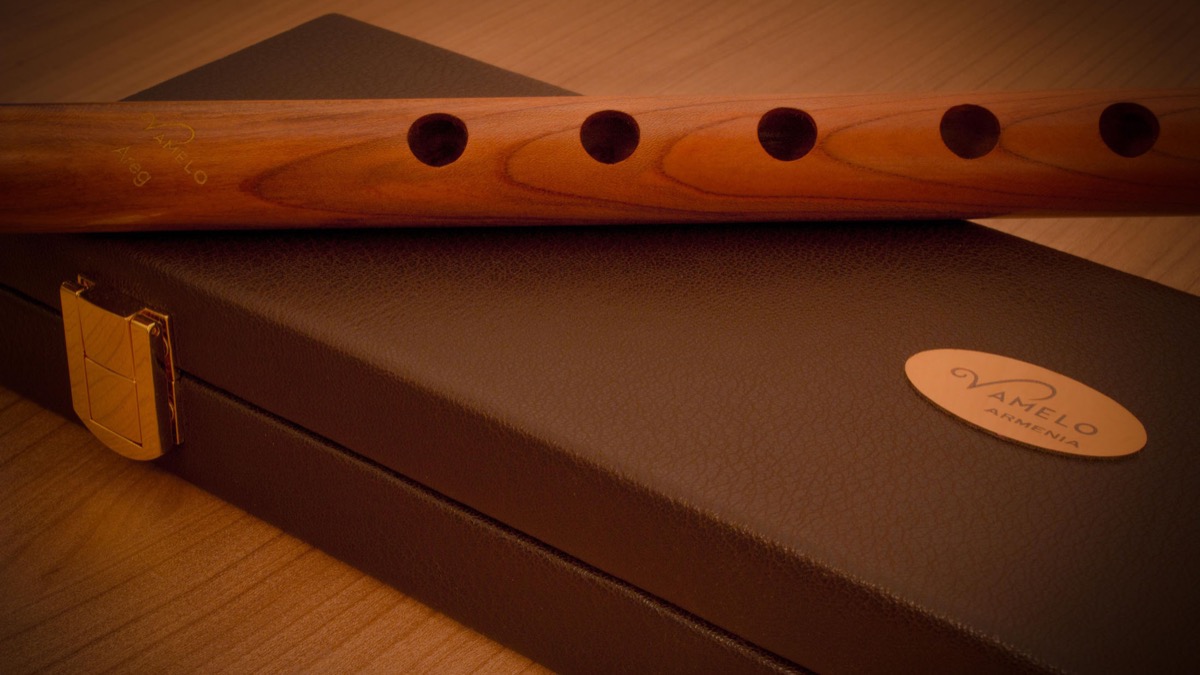
Магия дудука начинается с его неразрывной связи с армянским ландшафтом. Его корпус, или барrel, традиционно изготавливается из мягкой, звучной древесины абрикосового дерева (Prunus armeniaca), плод которого глубоко символичен для самой Армении. Этот выбор материала не случаен; выдержанная абрикосовая древесина придаёт тону инструмента уникальное тепло и глубину. Трость, известная местно как гамиш или егег, — важнейший компонент, собираемый с определённого растения, растущего по берегам реки Аракс. Эта нежная двойная трость, закреплённая в мундштуке, и есть источник неповторимого голоса дудука. Исполнитель управляет завораживающим звуком инструмента с помощью циркулярного дыхания — техники, позволяющей извлекать непрерывные, неразрывные фразы, длящиеся минутами, что отражает поток дыхания и течение времени. Дудук существует в семействе похожих инструментов региона, таких как азербайджанский балабан, грузинский дудуки и турецкий ней, однако армянская традиция, касающаяся его изготовления, репертуара и стиля игры, уникальна и глубоко укоренена в культурной почве нации.
Отголоски древности: Исторические корни и культурное значение
Корни армянской музыки дудука уходят глубоко в историю, есть свидетельства, что его предшественники звучали на Армянском нагорье ещё в первом тысячелетии до нашей эры. Ласково называемый по-армянски дзиранапох, что буквально означает «трубка из абрикосового дерева», этот инструмент был постоянным спутником на долгом и зачастую turbulentном пути нации. Его музыка неразрывно вплетена в ткань армянской жизни, служа саундтреком как общим, так и личным вехам. Репертуар дудука обширен и ситуативен:
- На радостных мероприятиях: Он обеспечивает ритмичные, воодушевляющие мелодии для свадеб, праздников и танцев.
- В моменты скорби: Его пронзительные, медитативные напевы сопровождают похоронные процессии и поминки, облекая в форму коллективное горе.
- В духовном размышлении: Его музыка давно ассоциируется с Армянской Апостольской Церковью, усиливая созерцательную атмосферу религиозных церемоний.
Признанное наследие: Признание ЮНЕСКО и мировой резонанс
Провозглашение дудука ЮНЕСКО нематериальным культурным наследием стало переломным моментом, превратившим инструмент из национального достояния в признанный во всём мире шедевр человеческого творчества. Это обозначение выделило несколько ключевых аспектов:
- Его уникальность: Особая техника изготовления, абрикосовое дерево, трость с реки Аракс и традиционные методы обучения, передаваемые от мастера ученику.
- Его статус находящегося под угрозой: Признание привлекло внимание к необходимости защитить традицию от давления глобализации и культурной унификации.
- Его роль в идентичности сообщества: ЮНЕСКО подчеркнула, как музыка дудука укрепляет социальную солидарность, этические ценности и чувство принадлежности среди армян по всему миру.
Живое дыхание: Современная актуальность и будущее
Дудук — отнюдь не музейный экспонат, это живая, развивающаяся традиция. В современной Армении и диаспоре он остаётся мощным символом культурной гордости и преемственности. Молодые музыканты продолжают учиться у ветеранов-дудукаханов (играющих на дудуке), постигая не только технику, но и эмоциональную насыщенность, и исторический контекст каждой мелодии. Современные армянские композиторы интегрируют дудук в новые симфонические, джазовые и электронные произведения, обеспечивая его актуальность для новых поколений. Более того, инструмент нашёл своё место в терапевтических и медитативных практиках по всему миру, его успокаивающие частоты используются для исцеления и осознанности. Задача сейчас, как и для многих живых традиций, — найти баланс между сохранением и инновациями: защитить древнюю душу музыки, позволяя ей при этом дышать и говорить с настоящим.
Заключение: Больше чем инструмент
Армянский дудук — не просто деревянная трубка с тростью; это кристаллизованное дыхание народа. Вырезанный из абрикосового дерева и одушевлённый духом исполнителя, он переводит армянский ландшафт, историю и эмоциональный мир в универсальный язык звука. Признание ЮНЕСКО подтвердило то, что армяне знали веками: этот инструмент является шедевром нематериального культурного наследия человечества. Его мелодия — это нить, связывающая прошлое с настоящим, индивида с сообществом, Армению с миром. Пока его тёплый, печальный плач звучит в долинах и городах, душа Армении продолжает петь свою вечную песню.
Теги